
A tidal wave of new smart devices is coming to the EU. Are you ready…
How Fleet Operators Benefit From Using Smart Cameras
How Fleet Operators Benefit From Using Smart Cameras
In the ever-evolving landscape of transportation smart cameras have emerged as a game-changer for commercial vehicle operators. These advanced systems offer a multitude of benefits that enhance safety, efficiency, and overall fleet management. While some markets are more traditional in their implementation, others are already seeing the benefit.
Below we discuss some of the key advantages and possible risks of integrating smart cameras into commercial vehicles.

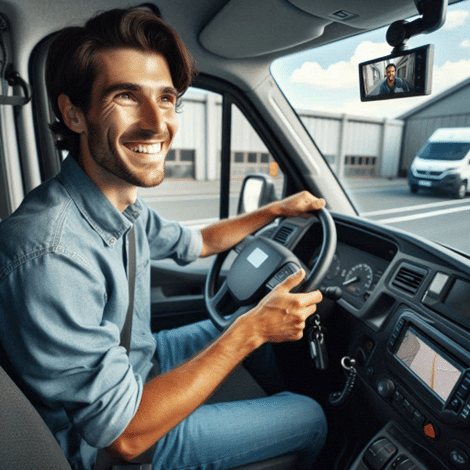
Indisputable benefits for fleet business operations include:
Enhanced Safety
One of the primary benefits of smart cameras is the significant improvement in safety. These cameras provide real-time monitoring and recording of the vehicle’s surroundings, helping drivers avoid potential hazards. Features such as lane departure warnings, collision detection, and blind-spot monitoring alert drivers to potential dangers, reducing the risk of accidents.
Driver Behavior Monitoring
Smart cameras can monitor and analyze driver behavior, providing valuable insights into driving patterns. In combination with AI this data can be used to identify risky behaviors such as speeding, harsh braking, and distracted driving. Fleet managers can use this information to implement targeted training programs, promoting safer driving habits and reducing the likelihood of accidents.
Digital Incident Evidence
In the event of an accident or dispute, smart cameras provide crucial evidence through recorded footage. This proof can be invaluable for insurance claims, legal proceedings, and resolving disputes. Having clear, unbiased video evidence helps protect both the driver and the company from false claims and liability.
Theft Prevention and Recovery
Smart cameras can act as a deterrent to theft and vandalism. The presence of cameras can discourage such activities, and in the event of a theft, recorded footage can aid in the recovery of stolen goods and vehicles. This added layer of security helps protect valuable assets and reduces financial losses.
Compliance and Accountability
Regulatory compliance is a critical aspect of commercial transportation. Smart cameras help ensure that drivers adhere to regulations such as driving/working time directives and safety protocols. Additionally, the recorded footage holds drivers accountable for their actions, promoting a culture of responsibility and compliance within the fleet. It also offers drivers evidence of their own compliance should any disputes arise.
There are also attendant risks to be considered:
Surveillance Concerns of Drivers & Lack of Transparency
Continuous monitoring of drivers can be perceived as intrusive and may lead to concerns about constant surveillance. Drivers might feel that their privacy is being invaded, which could impact their morale and job satisfaction. Considering the current shortage of drivers in the commercial vehicle segment, this might lead to a less attractive work environment.
Furthermore, there is a risk that the data collected by smart cameras could be misused by employers or third parties. For example, data could be used to unfairly penalize drivers or for purposes other than those originally intended, such as marketing or profiling.
Especially if drivers are not fully informed about the extent and purpose of the monitoring, it can lead to mistrust and concerns about how their data is being used. Transparency is crucial to ensure that drivers understand what is being recorded and why.
Legal and Regulatory Compliance
Different regions have different laws and regulations regarding data privacy and surveillance. Companies must ensure that their use of smart cameras complies with all relevant local requirements to avoid potential legal issues and penalties. Especially the GDPR regulations of the European Union or in the UK the Greater London’s DVS regulations must be considered when implementing such projects. Smart cameras collect and store a significant amount of data, including video footage and driver behavior information. Data must be properly stored and secured.
Conclusion
There is a clear market trend in implementing smart cameras into commercial vehicle fleets. The demand has significantly increased over the last few years. In the US, Europe and especially in the UK, we have been involved in an increasing number of projects, from planning to full implementation.
IPE is managing, executing and supporting installation projects which involve smart cameras, telematics and other IoT devices.
Contact IPE if you are interested in discussing your requirements and how we can support your project needs.
